Find where it fits
I know what the organization actually does, day to day. That is what tells you which work AI can take on, which it can't, and which it would quietly make worse.
Fourteen years in child welfare and accreditation, and a department now adopting AI on a proposal I wrote. The six live sites and three Android apps below are how I know what these tools can and cannot do — every one built with Codex and Claude Code, served from Cloudflare's edge.
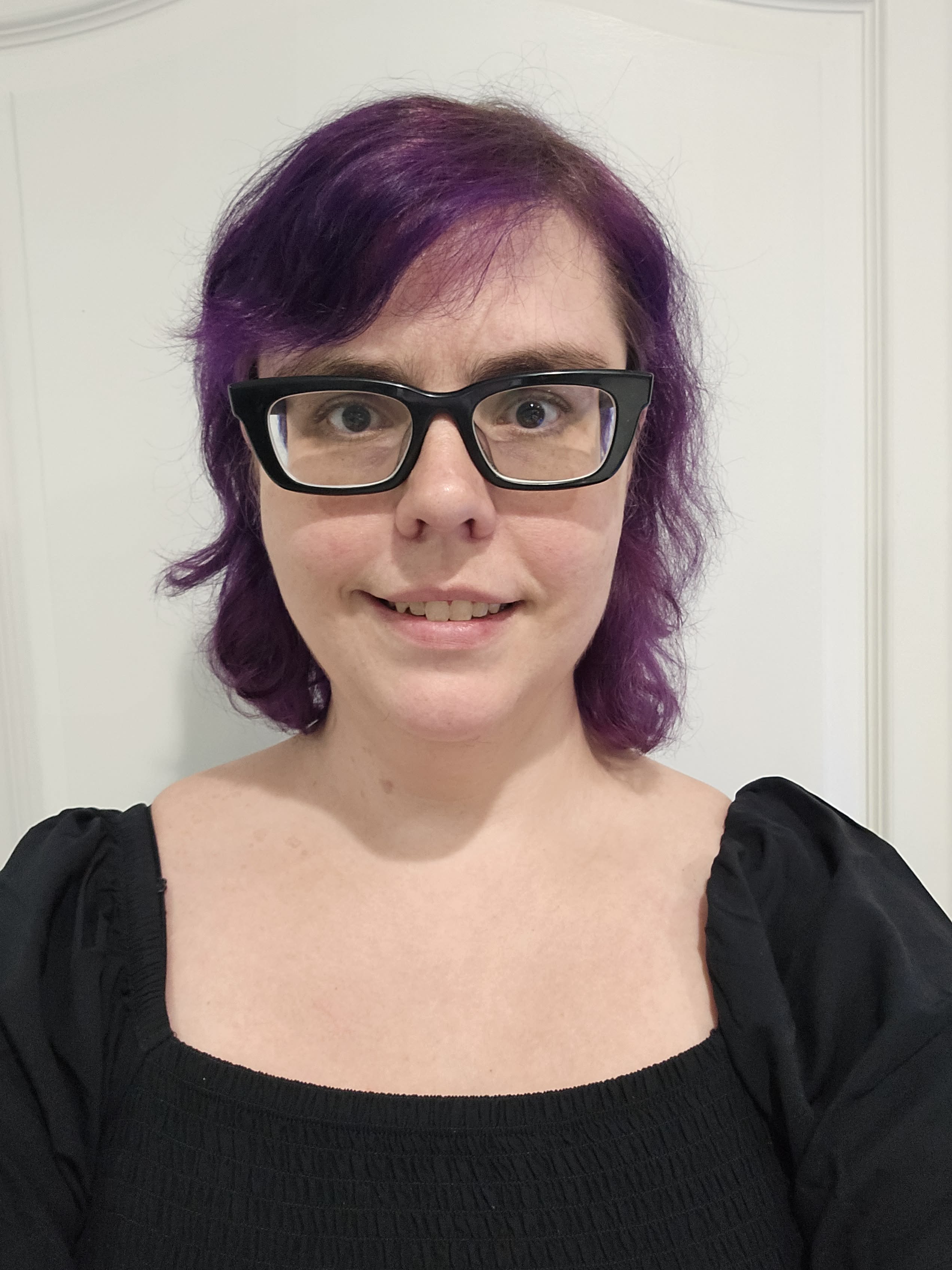
Since 2018 I've been Manager of Accreditation at Social Current (formerly the Council on Accreditation), running accreditation for the Public Agency, Opioid Treatment and Child & Youth Development business lines — supervising a team of coordinators, owning the budget for two of those lines, and helping update the child welfare standards themselves. Before that, six years in foster care at MercyFirst and Forestdale as a caseworker, supervisor and advocacy liaison. I still review case records part-time at Graham Windham to stay close to practice.
Plenty of people can build a tool. Far fewer have sat in the PQI meeting, run the case record review and walked an agency through accreditation — and can therefore tell the difference between software that takes work off the table and one more system nobody updates. That combination is hard to hire for.
Claude Code and Codex closed the last gap. Knowing where it fits used to end at a recommendation; now it ends at something working. And reviewing work against a standard was already the day job — reading an agent's diff is the same instinct pointed at a different artifact.
Which is why a public standards library leads this page, ahead of the board game companions. Same method throughout; the difference on that one is that I already knew the standards by heart.
Read the full résuméI'm not the developer. I'm the person who knows the work well enough to say what should be built — and who stays with it until people are using it.
I know what the organization actually does, day to day. That is what tells you which work AI can take on, which it can't, and which it would quietly make worse.
I translate between the people who know the program and the people who write the code. They build it; I make sure what gets built matches the work it is meant to carry.
Shipped is not the same as working. Once it exists I tune it against real cases until the output is good enough for staff to trust — the same review discipline I already apply to case records.
Adoption is where most of this fails. I train the people who will use it every day, in their language, so it becomes how the work gets done instead of a login nobody opens.
I don't advise on tools I haven't used in anger. The agents write most of the code; that only works because everything around the writing is tight — and reviewing the diff is the real job.
Decide the product, the data model and what "done" means first. A vague prompt produces a vague codebase, fast.
Codex and Claude Code do the typing — features, refactors, test suites — working against the repo's own conventions.
Every diff gets read. Typecheck, unit tests, lint and Playwright runs gate the merge, not vibes.
wrangler deploy and it's live worldwide. No VPS, no container, no
3am pager.
A public standards library, board game companions and tabletop reference tools. All of them online right now.
A public, browsable home for Social Current's accreditation standards — turning a dense reference document into something an organization can navigate.
Companion and analytics platform for the Moonrakers board game: build your crew, track a live game turn by turn, then dig into charts, Elo ratings, player comparisons and playstyle profiles afterwards.
Statistics for Terraforming Mars — log your games, then see how corporations, maps and table sizes actually shake out across a real play history.
Takes D&D 4th Edition character files and turns them into a clean, readable character sheet you can actually use at the table.
A fast, searchable monster reference for Advanced Dungeons & Dragons — built for looking something up mid-session without losing the thread.
A navigable atlas for a tabletop campaign setting — the places, the people and the connections between them, kept in one place the whole table can browse.
All three are in closed testing on Google Play — access available on request.
The Moonrakers companion on your phone — crew selection, turn order and live game tracking at the table, syncing with the same analytics that power the web app.
Randomized setups for Valeria — deal a fresh, valid combination of cards and components so no two games open the same way.
Scorepad for Valeria — runs the end-game tally across every scoring category so the maths doesn't fall to whoever is quickest with a pen.
Cloudflare Workers end to end. Static assets and rendered apps sit on the same edge network, deploy from the same CLI, and cost roughly nothing at rest.
If your organization is trying to work out where AI fits — or has already built something and cannot get anyone to use it — that is the work I want.